

Let’s be real for a second. If you look at the FMCSA requirements, the technical answer to “do freight brokers need insurance” is… not exactly. You need a surety bond (BMC-84) to keep your authority active. That’s it.
But if you are trying to run a legitimate business, landing high-paying shippers without insurance is like trying to drive a car with three wheels. You might move forward, but you’re going to crash eventually.
New brokers often get confused between what the government requires and what the market demands. Here is the no-nonsense breakdown of what shippers ask for, what contingent liability actually means for you, and why skimming on coverage costs you more than the premium.
The "Safety Net" Gap: Why Carrier Insurance Isn't Enough
You hire carriers with valid insurance. So, if they crash and burn, you’re off the hook, right? Wrong.
This is the biggest myth in logistics. If a carrier’s policy is cancelled for non-payment yesterday, or if they have a specific exclusion you didn’t notice, the shipper isn’t going to chase the carrier. They are coming after you.
This is where contingent cargo insurance for freight brokers comes in. It is your backup plan. If the carrier’s insurer denies the claim or fails to pay, your policy steps in.
Shippers know that carrier insurance can be flaky. That is why they ask for proof of your insurance. They want a guarantee that their goods are covered, no matter who is driving.
What is Contingent Auto Liability Coverage?
You don’t own the trucks, so why are shippers asking about your auto liability?
This is a specific type of coverage known as contingent auto liability. Here is how it works: If a carrier you hired causes a massive accident involving bodily injury, the injured party will sue everyone involved—the driver, the carrier, and the broker who arranged the load.
If you are asking, “what is contingent auto liability insurance going to do for me?” the answer is: it covers your legal defense and potential damages if you are found vicariously liable for the carrier’s negligence.
Without this contingent auto coverage, a single lawsuit could bankrupt your brokerage. It protects you from the contingent auto exposure that exists simply because you hired the truck.

Commercial General Liability (CGL): More Than Just Trucks
While you are worried about the cargo on the road, don’t forget where you do business. Commercial General Liability (CGL) is what protects your actual business operations.
If a client slips in your office, or if you are sued for libel or slander (advertising injury), CGL is the shield. NewArk Agency highlights this as a vital part of a broker’s portfolio because it safeguards your assets and your professional reputation. It secures contracts that require proof of CGL—which, these days, is most of them.
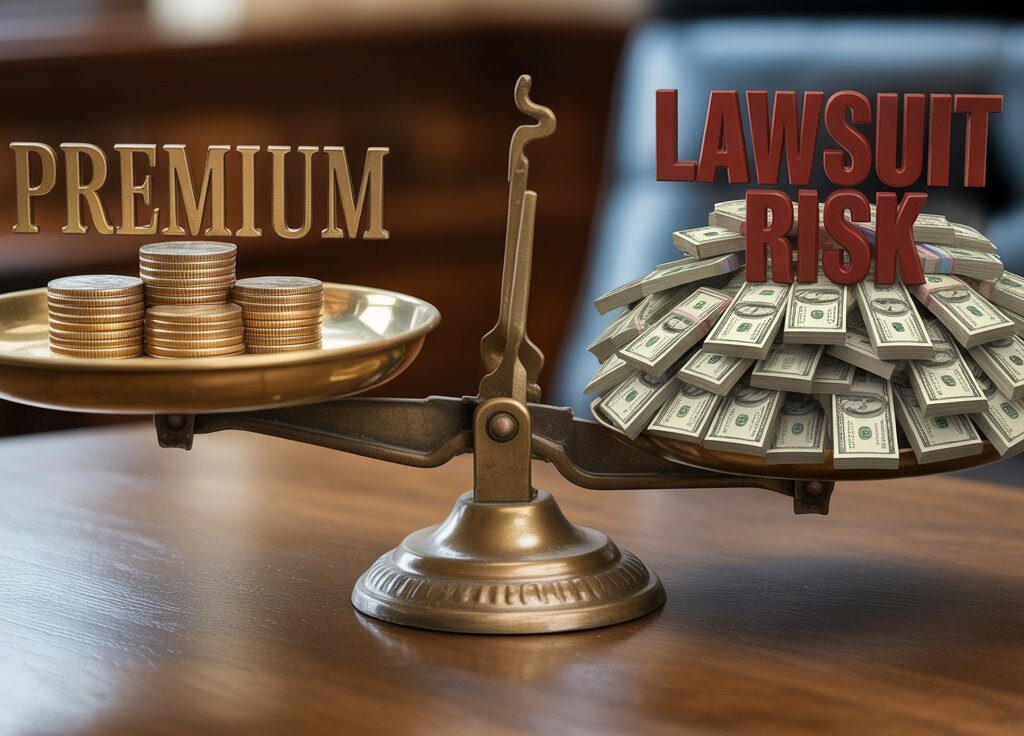
The Bottom Line: Cost vs. Risk
We hear it all the time: “How much is contingent cargo insurance for freight brokers? Is it worth it?”
Think about it this way. One claim for a stolen load of copper or electronics can run into the hundreds of thousands. Compared to that, the freight broker contingent cargo insurance cost is a fraction of a percent.
At NewArk Agency, we specialize in this. We don’t just sell policies; we offer same-day binding and fast claim processing because we know freight doesn’t wait. We help you figure out exactly how much insurance does a freight broker need based on the specific commodities you move.
specific Takeaway:
Stop asking “do I have to have it?” and start asking “can I afford to lose my business without it?”
Whether you need contingent freight insurance, contingent auto liability, or a solid CGL policy, you need a partner who understands the difference between liability vs full coverage auto insurance nuances in the logistics world.
Are you ready to protect your margins?
Call NewArk Agency today at 312-248-0017 or visit us at www.newarkagency.com. We get you covered so you can get moving